For a competitive golfer, the work behind every swing extends far beyond the moment the club makes contact with the ball. Strength, mobility, coordination and control must come together repeatedly, whether during practice sessions or tournament competition. When one part of that movement becomes difficult or painful, the demands of the sport can expose limitations that are not always apparent during everyday activities.
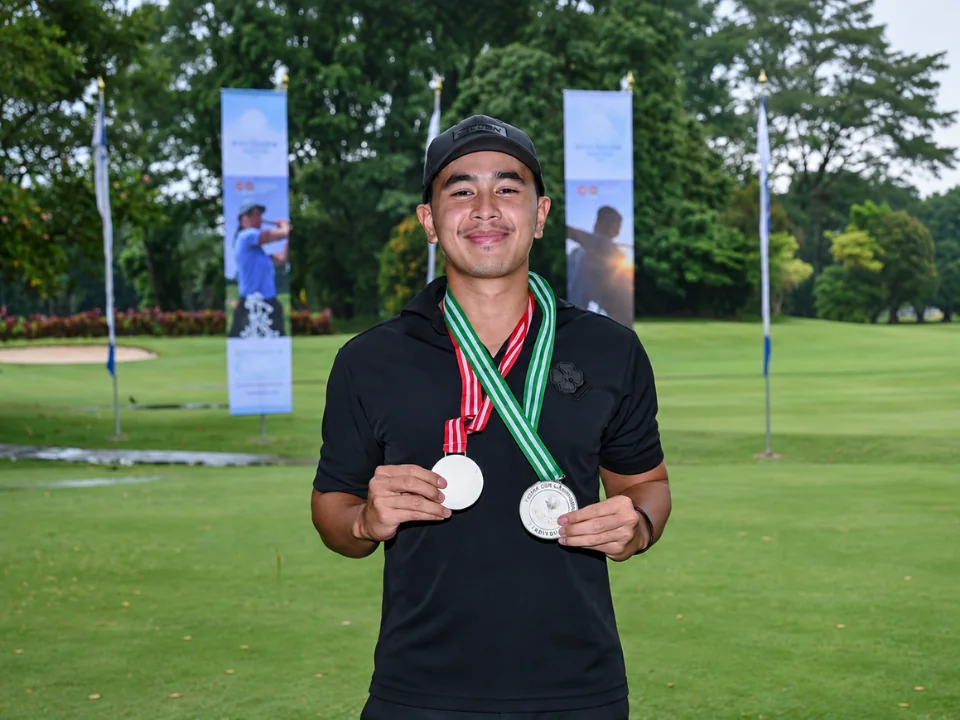
For Amir Luqman, a competitive golfer in his late 20s who participates in international tournaments, those demands became increasingly difficult to manage when persistent pain developed in his right elbow. Diagnosed with golfer’s elbow, Amir began physiotherapy at Physio Arena in September 2025, initially seeking relief from symptoms that repeatedly returned after playing golf.
What started as treatment for a recurring injury gradually developed into a broader programme of rehabilitation, movement assessment and golf-specific physical preparation. Working with Aiman and Haziq, Amir progressed from managing elbow discomfort towards developing the strength, mobility and movement control required for competitive golf. Along the way, his training would evolve in response to new assessment findings, performance goals and the physical challenges of tournament participation.
The Challenge: When Elbow Pain Became Part of the Game
Amir’s right elbow symptoms developed in connection with the repetitive demands of golf. Although treatment could provide relief, the discomfort would return after playing, making it difficult to regard the improvement as lasting progress. For someone competing regularly, the challenge was not simply to feel comfortable following treatment, but to restore the elbow’s ability to tolerate the physical demands of his sport.
Aiman’s Approach to Managing the Injury
Working with Aiman, Amir began a physiotherapy programme focused on managing his symptoms and progressively restoring function. Between September and October 2025, he attended approximately two sessions per week, receiving a combination of soft tissue techniques, joint mobilisation, electroacupuncture and rehabilitation exercises. His response to treatment, together with the symptoms he experienced following golf, provided useful information as the programme progressed.
The approach combined management of his immediate discomfort with exercises intended to support a gradual return to activity. During the early stages, pain could subside after treatment but return following a golf session, indicating that symptom relief alone had not yet resolved the difficulties he experienced during the sport. As the weeks progressed, however, Amir began reporting more consistent improvements in comfort.
Towards the end of October, his right elbow pain had reduced to zero, the symptoms had resolved, and his strength had returned to its previous functional level. The resolution of his right elbow symptoms marked an important recovery milestone, but competitive golf continued to place demands on the rest of his body. With the immediate injury no longer dominating the programme, attention could shift towards improving his broader physical preparation.
Looking Beyond the Injury
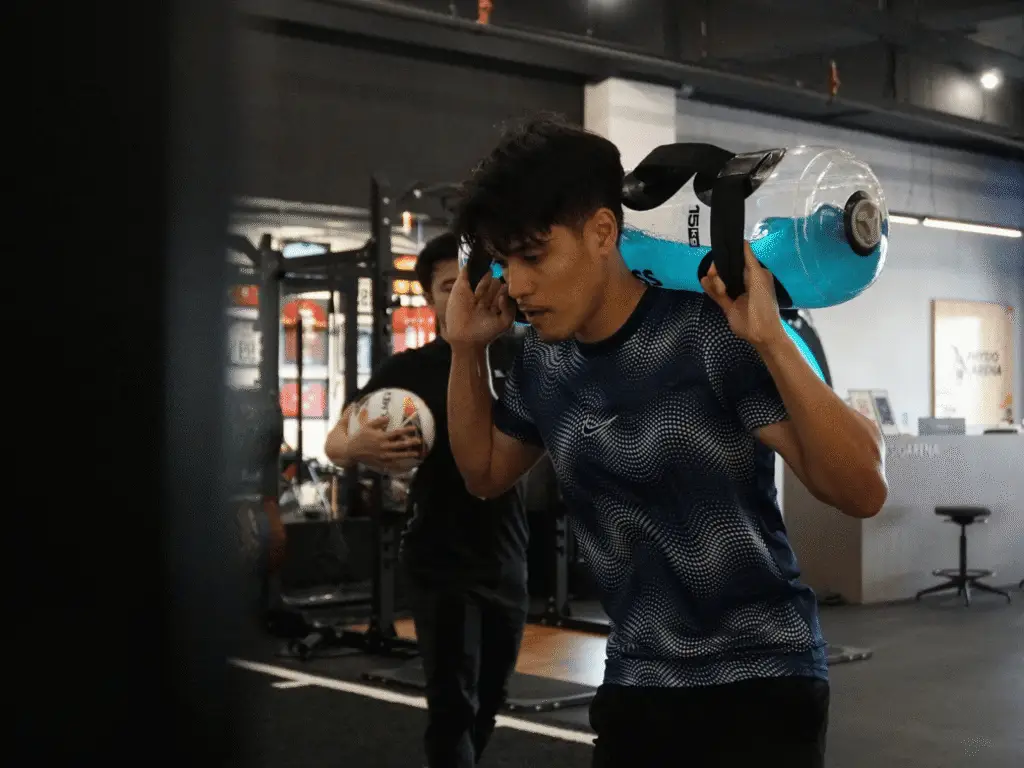
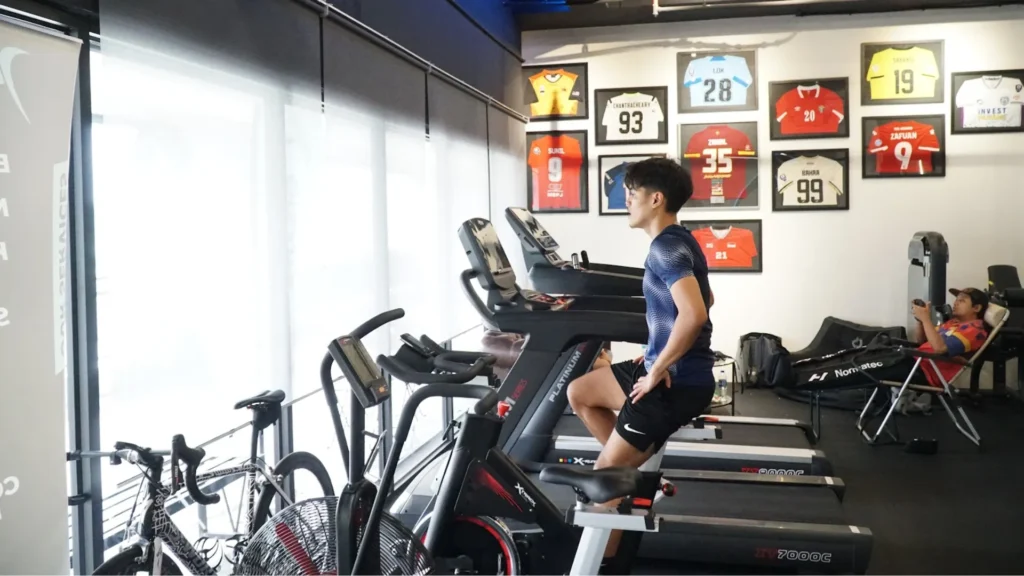
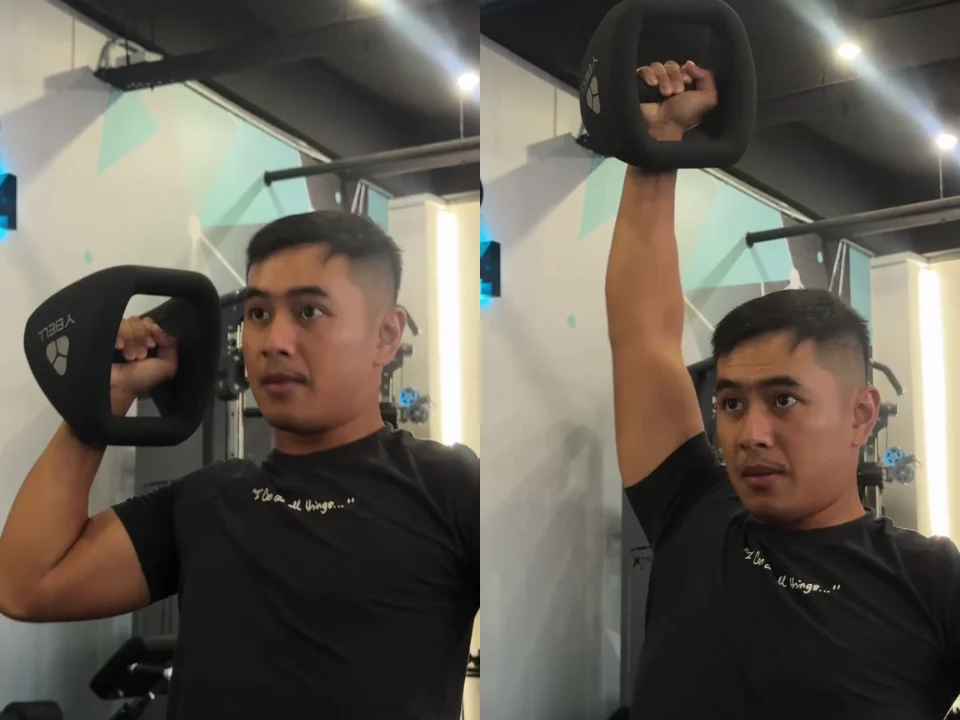
As Amir’s right elbow symptoms improved, training expanded beyond the original focus on injury management. From October 2025 into early 2026, Haziq introduced a progressive strength and conditioning programme that initially emphasised upper-body muscle development. Exercises targeted the upper back, shoulders, biceps, triceps and forearms, with a significant emphasis on hypertrophy and improving general muscular strength.
As Amir developed greater training capacity, lower-body power and rotational exercises were introduced. These additions reflected the wider demands of golf, where movement involves coordinated contributions from the upper and lower body rather than isolated action at the arms. However, a more detailed assessment of Amir’s movement would lead Haziq to reconsider the programme’s main priorities.
What the Golf Swing Analysis Revealed
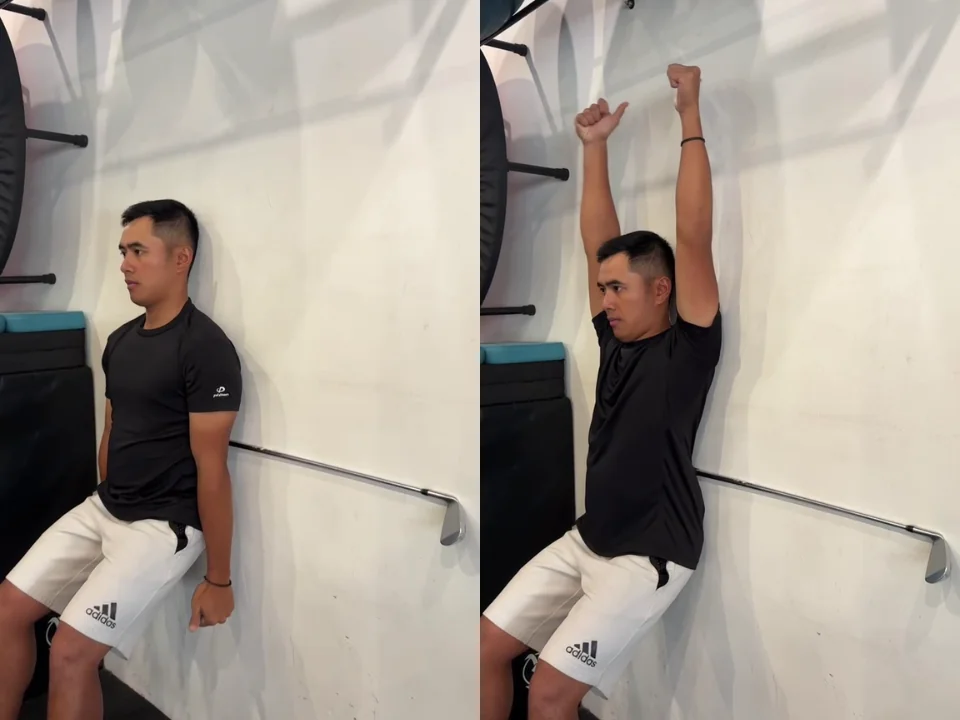
Using golf-specific body-swing assessment methods, Haziq examined how Amir moved through positions and patterns relevant to his sport. The assessment identified restrictions in torso rotation, shoulder mobility and wrist movement, alongside limitations involving hip mobility, pelvic positioning and rotational control. General movement tests, including squat-based assessments, provided additional information about his mobility.
The findings highlighted mobility and stability limitations extending beyond the injured elbow. These restrictions were relevant to Amir’s physical preparation because an effective golf swing requires coordinated movement through the shoulders, torso, pelvis and hips. Although they did not establish the precise cause of his earlier injury, the observations helped identify areas that required greater attention during training.
The assessment became a meaningful turning point in Amir’s programme. Rather than continuing to prioritise muscle development alone, Haziq began placing greater emphasis on improving movement quality and physical control in areas relevant to the golf swing.
When the Assessment Changed the Programme
Following the findings, Haziq adjusted Amir’s training towards mobility, stability and functional movement control. Isometric and isolated strengthening exercises were incorporated alongside movement drills designed to address the restrictions observed during assessment. The objective was to develop greater physical capacity while improving how Amir controlled movement through the positions required in golf.
This approach differed from simply increasing the weight or difficulty of conventional gym exercises. Training decisions were guided by Amir’s individual movement limitations, with the programme progressing as his abilities developed. Strength remained important, but it was increasingly considered alongside rotational mobility, postural control and the ability to coordinate movement throughout the body.
By late February and early March 2026, Amir’s symptoms had improved and greater stability was being observed in his swing posture. His physical preparation was developing beyond the original rehabilitation goals, providing a foundation for more structured performance training as the competitive season approached.
Building for the Competitive Season
Between March and June 2026, Haziq began organising Amir’s training more closely around his competition schedule. The programme adopted a periodised approach to strength and performance development, adjusting its emphasis according to the demands of upcoming tournaments. Maintaining muscle mass and strength remained important, while mobility, stability and golf-specific movement capacity continued to develop.
Unlike general exercise programming, preparation for competitive sport needs to consider when an athlete trains, how demanding that training becomes and what physical qualities are most relevant to competition. For Amir, the programme therefore connected general strength development with the movement demands and timing of his golfing commitments. The intention was to support his physical preparation while managing the cumulative demands of training and tournament participation.
Strength, Mobility and Control Working Together
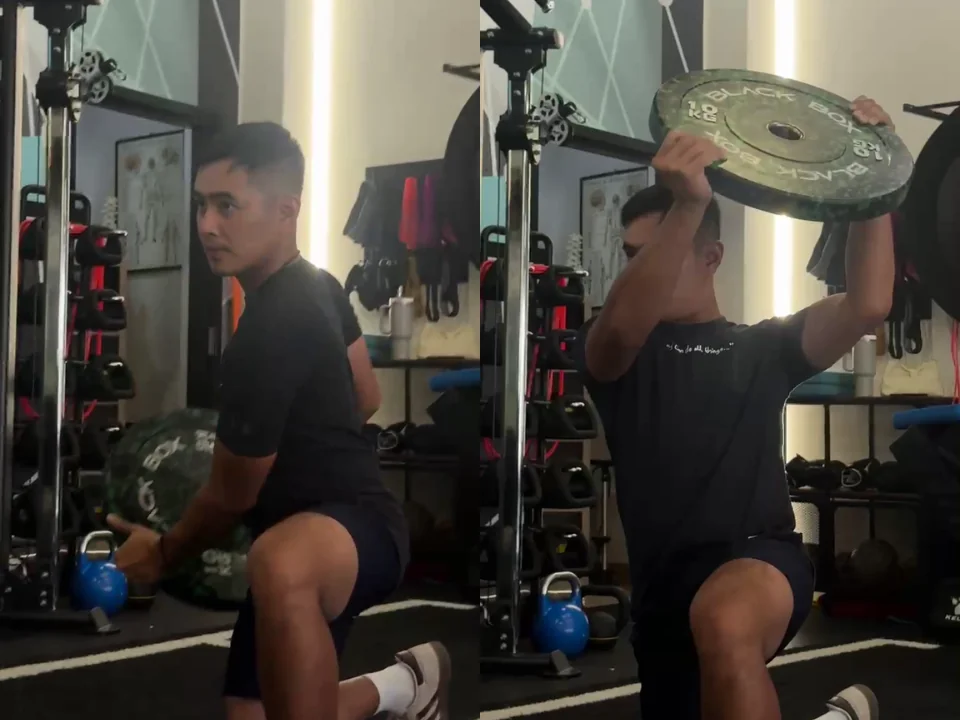
A golf swing requires the body to generate force, coordinate rotation and maintain control throughout a complex movement sequence. Greater muscular strength can contribute to physical capacity, but the ability to express that strength effectively also depends on mobility, coordination and stability. Amir’s training continued to address these qualities together rather than treating them as entirely separate objectives.
As the programme progressed, Haziq maintained the emphasis on movement limitations identified during earlier assessments while gradually developing more sport-specific strength and power. This allowed the training to evolve from foundational physical development into preparation directed towards Amir’s competitive goals.
By the middle of 2026, the next stage of the programme placed greater attention on generating power and applying it through movements relevant to golf. Amir had moved from seeking relief from a painful elbow to pursuing improvements in how his body performed during the sport.
Progress Under Pressure
From June to September 2026, Amir’s training increasingly emphasised power development. Exercises continued to build upon the strength, mobility and stability work established during the earlier phases, with greater attention given to the physical qualities involved in producing a powerful golf swing. During this period, Amir began noticing changes in his performance on the course.
More Distance, Greater Swing Control
One of the most notable changes was an improvement in hitting distance. According to Amir, his driver and iron distances increased by approximately 10 to 20 yards. He also reported better control over his swing posture, particularly during the backswing, where he had previously experienced a loss of posture.
As his programme progressed, Amir noticed greater postural stability through the different phases of his swing. For a competitive golfer, these changes represented meaningful progress towards his performance goals and provided a personal reference point for the physical development he had been working towards.
Although the distance improvements were based on Amir’s experience rather than independently verified launch-monitor measurements, they remained meaningful outcomes from his perspective. His training had progressed beyond managing elbow discomfort towards developing physical qualities he felt were making a difference to his game.
A New Challenge During Tournament Season
Despite these improvements, Amir encountered another physical challenge during the competitive season. Around August and September 2026, new symptoms developed in his left elbow, separate from the earlier right elbow condition. The discomfort emerged amid tournament participation and repeated golfing demands, creating another area that required attention within his ongoing programme.
Possible movement compensation during the golf swing was considered among the potential contributing factors, although the precise cause of the new symptoms was not definitively established. The priority was to manage the discomfort while adapting physical training to Amir’s condition and sporting commitments.
Returning to Physiotherapy While Continuing Performance Development
Aiman became involved again, this time addressing Amir’s left elbow symptoms through physiotherapy. His treatment followed a similar general approach to the earlier injury, incorporating symptom management and rehabilitation exercises. Alongside this, Haziq adjusted the training programme to place additional attention on thoracic mobility and upper-limb strengthening.
Aiman’s physiotherapy and Haziq’s performance training addressed complementary aspects of Amir’s changing physical needs. While treatment focused on managing discomfort, the exercise programme continued developing movement capacity and strength relevant to golf. The adjustments reflected the need to respond to symptoms without assuming that performance progression should follow an unchanged training plan.
Over the following months, Amir’s left elbow symptoms improved, including during periods of golf participation. Nevertheless, he occasionally continued to experience discomfort during certain everyday movements, such as holding his child, weighing approximately 12 kg, in a cradled position. This distinction was important: improvement during sporting activity did not necessarily mean that every symptom had resolved across all daily activities.
Monitoring Strength Progress
Strength assessments using the VALD ForceFrame system also formed part of Amir’s programme. Follow-up testing indicated improvements in the upper-body strength measures being monitored, providing additional information about his physical development. These findings were considered alongside his response to exercise and his reported experiences during golf.
The available case information does not establish the complete testing protocol or comparable baseline measurements, so the findings are best described as a general indication of recorded strength progress rather than a precisely quantified improvement. Together with his reported changes in hitting distance and swing control, they contributed to a broader understanding of Amir’s development throughout the programme.
Still in Motion: The Next Stage of Performance
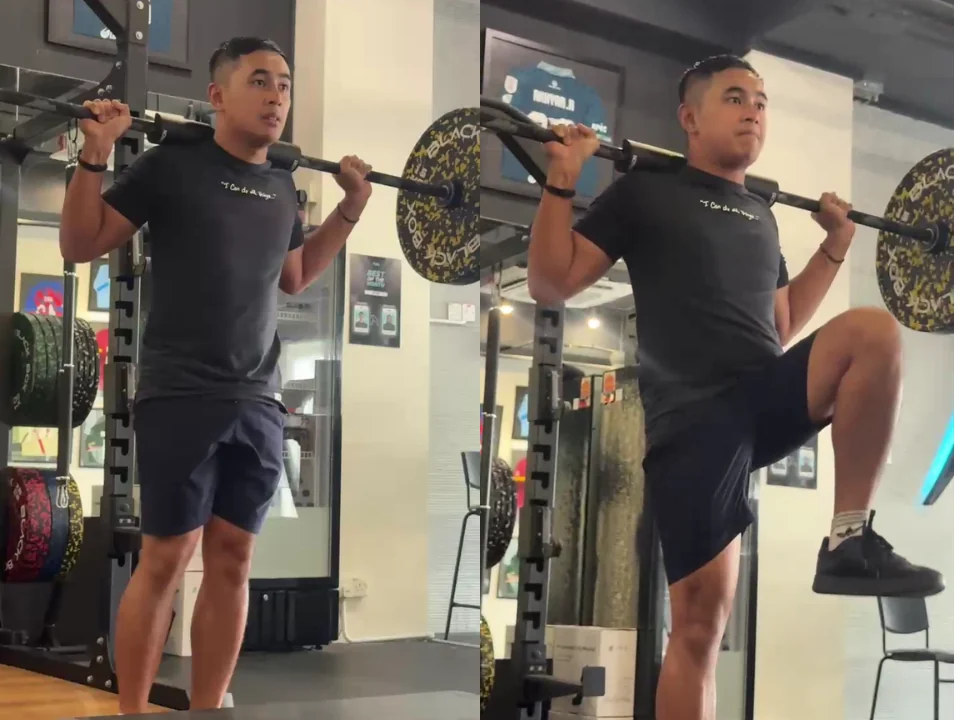
As the competitive season moved into the off-season in September 2026, Amir’s training entered another phase. The programme shifted towards developing greater muscle mass and overall maximal strength, while speed-stick exercises were introduced as part of his golf-specific preparation. These changes reflected the continuing evolution of his performance goals rather than a return to the original injury-focused programme.
Increasing maximal strength and clubhead speed became the focus of his next training phase. Haziq continued adapting the programme around these objectives while accounting for Amir’s physical condition and the need to monitor any recurring elbow symptoms. The improvements reported during the competitive season provided useful reference points, but they were not treated as the end of his physical development.
More than a year after first seeking physiotherapy for right elbow pain, Amir remained engaged in an ongoing programme of strength and golf-specific performance training. His experience had expanded from managing an injury to developing greater physical capacity for a sport in which he continued to compete.
Beyond Recovery: The Work Behind a Stronger Golf Swing
Amir’s journey illustrates how an athlete’s physical needs can change throughout rehabilitation and performance development. His initial programme with Aiman centred on physiotherapy for a diagnosed right golfer’s elbow, helping him manage recurring symptoms and restore comfortable function. As the condition improved, Haziq’s strength training and subsequent golf-specific movement assessment helped identify further areas for physical development.
The programme gradually evolved through mobility and stability work, progressive strengthening, competition-focused periodisation and power development. When left elbow symptoms emerged during tournament season, physiotherapy and training adjustments became relevant again, demonstrating how different forms of support could address changing needs throughout the same athletic journey.
At Physio Arena in Bukit Jelutong, Shah Alam, Amir’s experience brought together physiotherapy, rehabilitation and tailored performance training. Aiman contributed to the management of his elbow symptoms, while Haziq developed the physical training programme around his movement findings, competition schedule and ongoing performance goals. Their respective contributions became relevant at different stages of Amir’s progression.
For Amir, the reported improvements in swing posture and hitting distance were meaningful milestones, but his story remains ongoing. With a renewed focus on maximal strength and clubhead speed, his next stage of development continues to build upon the physical foundation established throughout the programme.
What began as an effort to manage elbow pain has become a sustained pursuit of stronger movement, greater physical capacity and improved preparation for competitive golf.
This Case File documents one individual’s rehabilitation and performance experience. Reported sporting improvements reflect the patient’s perspective and should not be interpreted as guaranteed treatment or training results. Symptoms, rehabilitation requirements and physical outcomes vary between individuals.
WORTH SHARING?
Pass this story along.