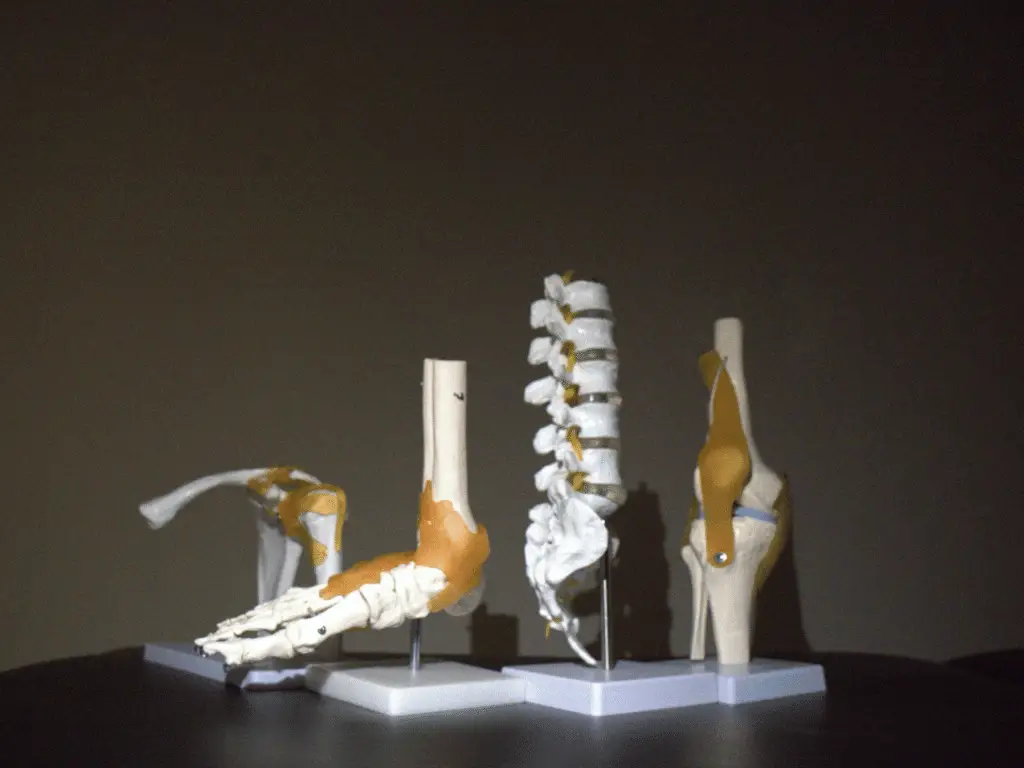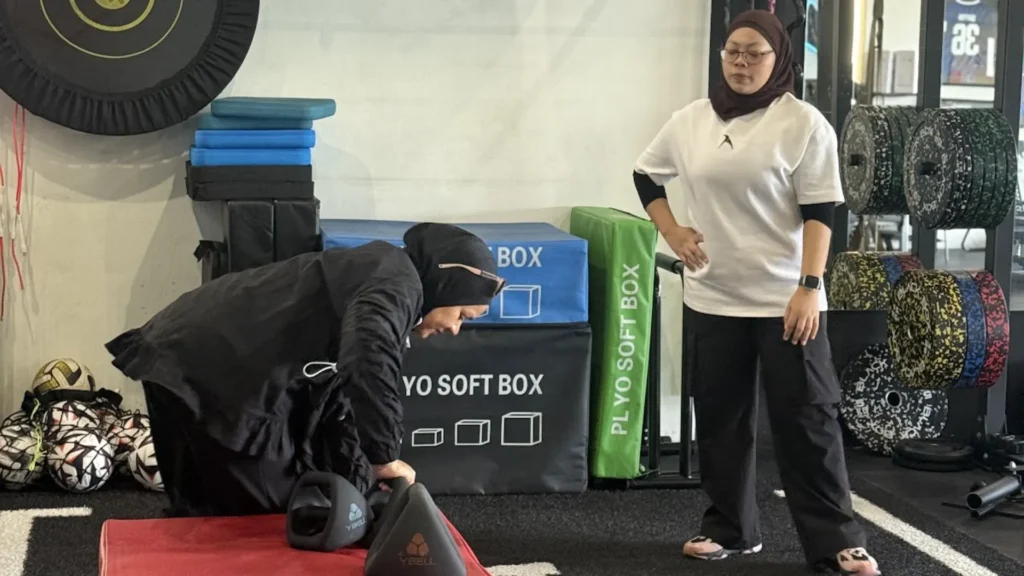
Sport places significant demands on the knees.
Running, jumping, landing and changing direction require the lower limbs to produce force, absorb impact and coordinate movement under different conditions.
For athletes preparing to return after an ACL injury, these demands become especially important. Restoring basic movement and strength is only part of the process.
Even athletes without a previous knee injury can benefit from developing physical qualities that support more demanding sporting activities.
Effective preparation should reflect the individual, the sport and the movements involved.
Why Knee Strength Matters
The knee relies on surrounding muscles and coordinated movement across the lower limb to manage physical demands.
The quadriceps and hamstrings are particularly relevant to knee function, while the hips, ankles and trunk also contribute to how force is generated and controlled.
Strength training can improve the capacity to perform movements such as squatting, stepping, jumping and decelerating.
However, being strong in a controlled gym exercise does not automatically mean an athlete is ready for every demand of their sport.
Strength provides a foundation that should be developed alongside movement skills and progressively more specific training.
Learning to Absorb and Control Force
Landing and deceleration are important parts of many sports.
When an athlete lands from a jump or slows down while running, the lower limbs must manage changing forces.
Training may include controlled landing exercises, single-leg movements, progressive jumping tasks and exercises that challenge coordination.
These activities can become more demanding as the athlete demonstrates appropriate strength, control and tolerance.
The goal is not to make every movement look identical. It is to develop the physical capacity and coordination needed to respond effectively to different sporting situations.
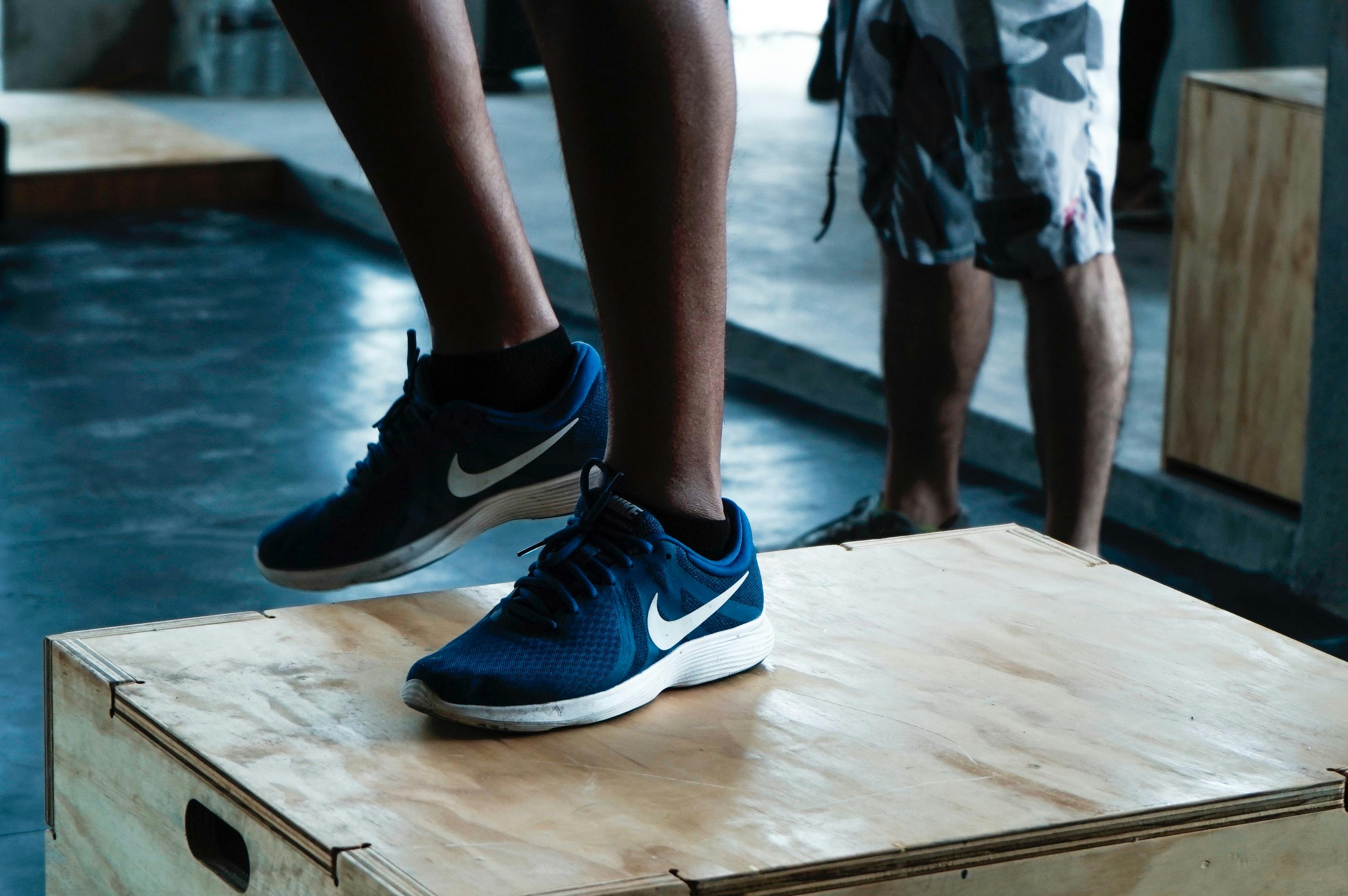
The Demands of Changing Direction
Sports such as football, basketball and badminton frequently involve accelerating, stopping, pivoting and changing direction.
These actions require a combination of strength, balance, coordination and the ability to apply force quickly.
A progressive training programme may begin with planned movements performed at manageable speeds before introducing faster and more reactive tasks.
For example, athletes may practise controlled changes of direction before progressing toward movements that respond to another player, a ball or an external signal.
The demands should increase in a way that is appropriate for the athlete’s physical condition, experience and training objectives.
Performance Training After an ACL Injury
Returning to sport after an ACL injury requires more than completing a fixed period of rehabilitation.
Athletes may need to demonstrate sufficient knee movement, strength, functional performance and confidence before progressing toward demanding sporting activity.
For individuals who have undergone ACL reconstruction, rehabilitation guidelines support criteria-based progression that considers clinical findings and physical performance alongside the time required for healing.
Sports involving rapid pivoting or cutting may place particularly high demands on the recovering knee.
Performance training can contribute to the later stages of preparation, but it should follow an appropriate rehabilitation plan and any relevant medical or surgical precautions.
Readiness for unrestricted sport should be assessed individually rather than determined by a single exercise or test.
Building a More Complete Athlete
Physical preparation is most effective when different training qualities support one another.
Strength, jumping ability, movement control, speed and sport-specific skills each contribute to performance in different ways.
An athlete may demonstrate good strength but still need additional practice with landing or rapid changes of direction.
Another athlete may move confidently in familiar drills but require greater physical capacity for repeated high-intensity activity.
Understanding these differences allows training to focus on the qualities most relevant to the individual’s goals.
At Physio Arena, the relationship between rehabilitation and performance training supports a progressive approach to developing movement capacity for sport.
Preparing for the Next Challenge
Preparing the knee for sport involves developing the ability to manage progressively greater physical demands.
Strength is important, but movement control, appropriate loading and sport-specific preparation also deserve attention.
For athletes returning after injury, the process should be guided by individual assessment and readiness rather than an arbitrary timeline.
For other athletes, structured performance training provides opportunities to develop physical qualities that support their sporting objectives.
The goal is to prepare the individual for the demands of their chosen activity, with a programme that reflects their current capacity and future ambitions.
References
Kotsifaki R, Korakakis V, King E, et al. Aspetar clinical practice guideline on rehabilitation after anterior cruciate ligament reconstruction. British Journal of Sports Medicine. 2023;57(9):500–514.