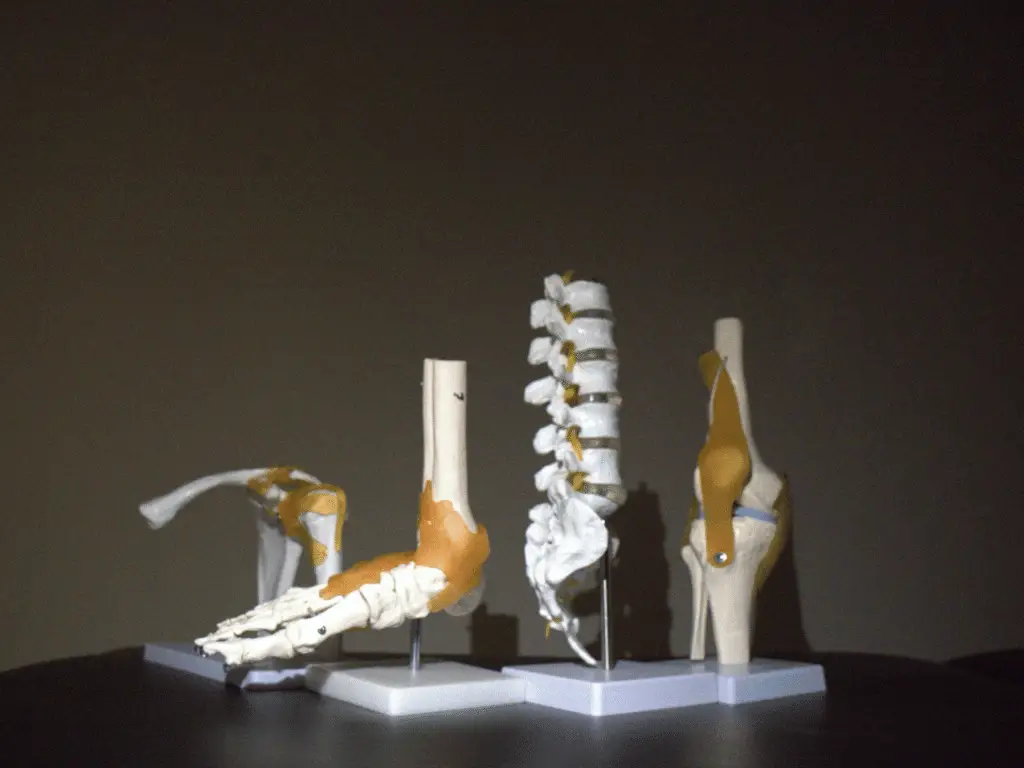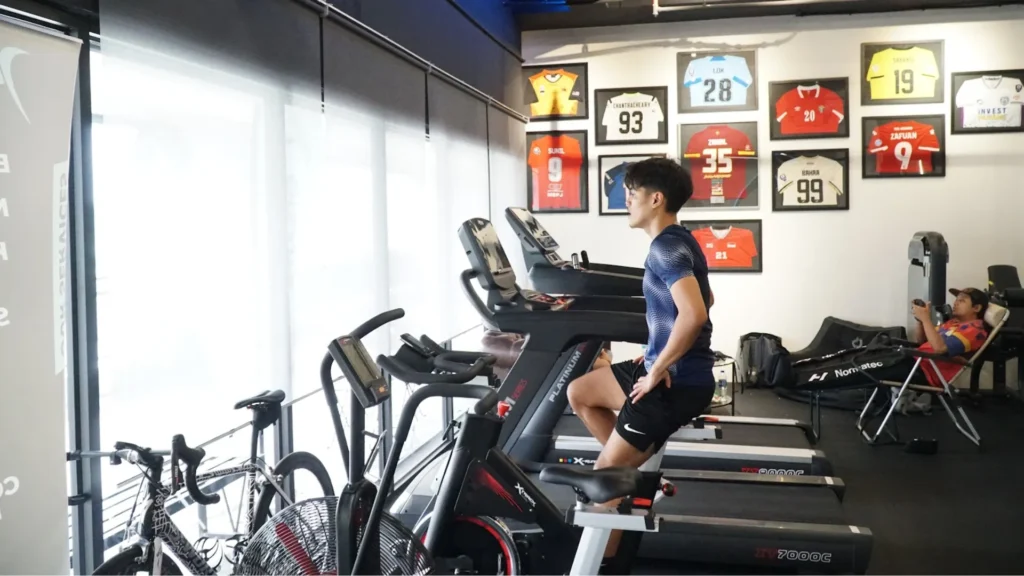
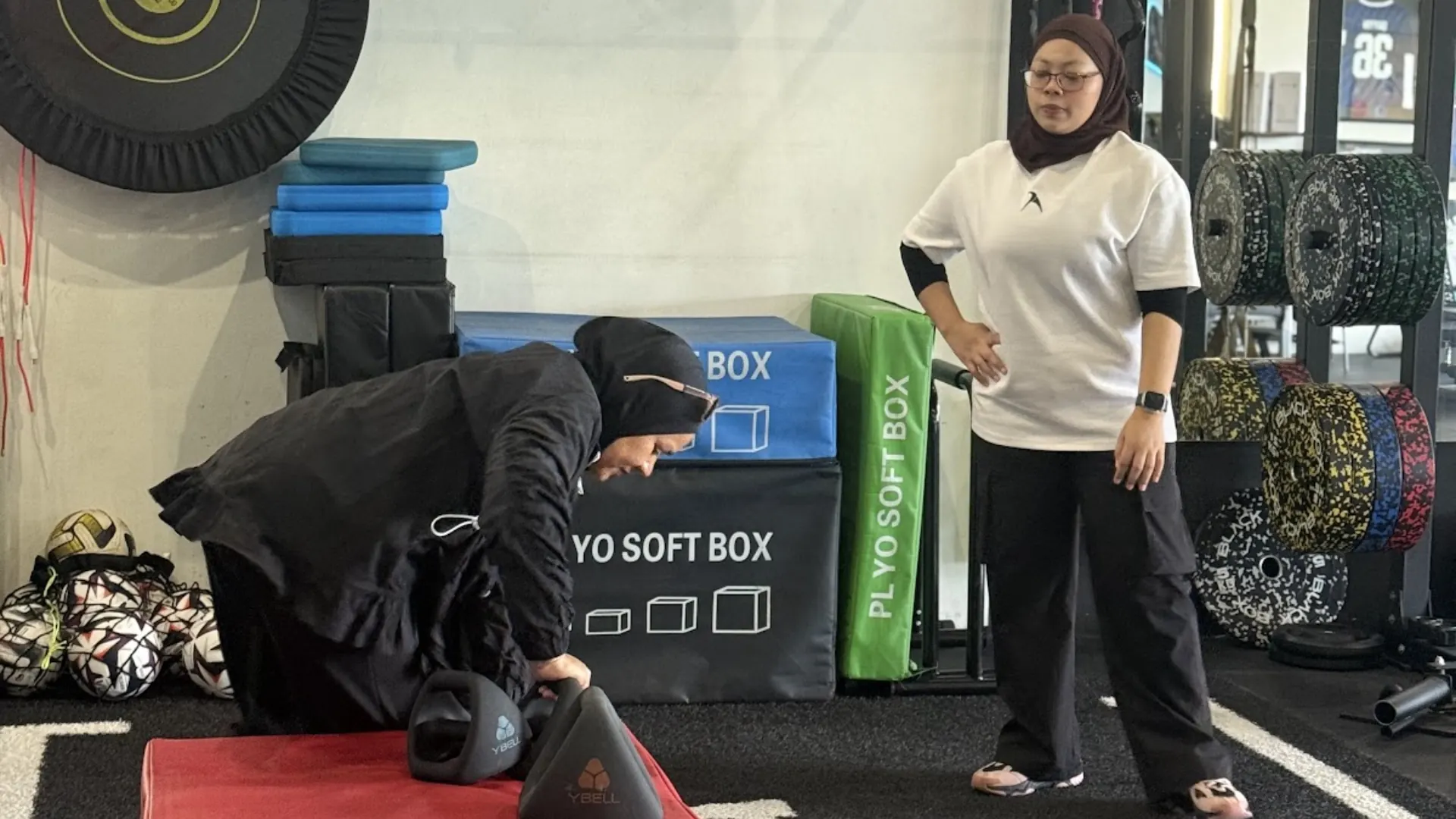
Knee pain is a common reason people reduce their physical activity, change their training routines or seek physiotherapy.
For some individuals, discomfort develops gradually with increasing activity. Others notice symptoms during movements such as squatting, climbing stairs, running or jumping.
Although these activities may provoke similar symptoms, the underlying reasons for knee pain can vary. Understanding the person’s symptoms, physical capacity and movement demands is an important starting point for rehabilitation.
Why Does Knee Pain Happen?
The knee works together with the hip, ankle and surrounding muscles to support movement and manage physical loads.
Pain around the knee can be associated with several conditions involving joints, tendons, ligaments or other structures.
One example is patellofemoral pain, which is often experienced around or behind the kneecap during activities that load the knee in a bent position.
However, not all knee pain is patellofemoral pain. A proper assessment helps identify the nature of the problem and whether further medical evaluation is needed.
Understanding Movement and Physical Load
The body adapts to physical activity over time, but the amount of activity a person can comfortably tolerate varies.
A sudden increase in running distance, training intensity or repeated jumping may place greater demands on the lower limbs than someone is currently prepared to manage.
This does not mean that movement should always be avoided when discomfort appears.
Instead, rehabilitation may involve adjusting activity levels, understanding symptom responses and gradually developing the capacity to perform demanding movements.
The appropriate approach depends on the condition being managed, the severity of symptoms and the individual’s goals.
The Role of Strength Training
Strength training can play an important role in managing many knee-related problems.
Depending on the diagnosis, rehabilitation may include exercises targeting the quadriceps, hip muscles and other structures involved in lower-limb movement.
The exercise programme should be selected and progressed according to the person’s symptoms, physical abilities and treatment goals.
For patellofemoral pain, clinical guidance supports exercise therapy targeting the knee and, where appropriate, the hip, alongside education.
Rehabilitation is not necessarily about finding one perfect exercise. It is about developing an appropriate programme that can be progressed as the person’s capacity improves.
When Should You Seek an Assessment?
Knee pain that repeatedly interferes with daily activities or exercise deserves attention.
A physiotherapy assessment can help clarify symptom patterns, identify relevant movement limitations and guide rehabilitation planning.
Some symptoms require more urgent medical evaluation, particularly following significant trauma or when accompanied by marked swelling, inability to bear weight, fever or a visibly deformed joint.
Rather than relying on an exercise programme designed for someone else, assessment can help determine which approach is appropriate for the individual.
Moving Forward With Confidence
Managing knee pain is not always about resting until every symptom disappears.
For many conditions, a thoughtful combination of education, appropriate activity modification and progressive exercise can support improvements in physical function.
The goal is to help individuals return to the movements and activities that matter to them with greater confidence and capacity.
At Physio Arena, rehabilitation planning begins with understanding the person’s condition, movement requirements and goals before establishing an appropriate path forward.
References
Neal BS, Lack SD, Bartholomew C, Morrissey D. Best practice guide for patellofemoral pain based on synthesis of a systematic review, the patient voice and expert clinical reasoning. British Journal of Sports Medicine. 2024;58:1486–1495.