An anterior cruciate ligament (ACL) injury can affect more than knee stability. It can change how confidently someone walks, trains, changes direction or participates in sport.
Rehabilitation is a structured process designed to restore movement, develop strength and prepare the body for progressively greater physical demands. Whether treatment involves surgery or a non-surgical approach, the rehabilitation plan should reflect the individual’s injury, goals and clinical progress.
Understanding this process helps patients recognise why recovery involves more than simply waiting for time to pass.
Understanding the ACL
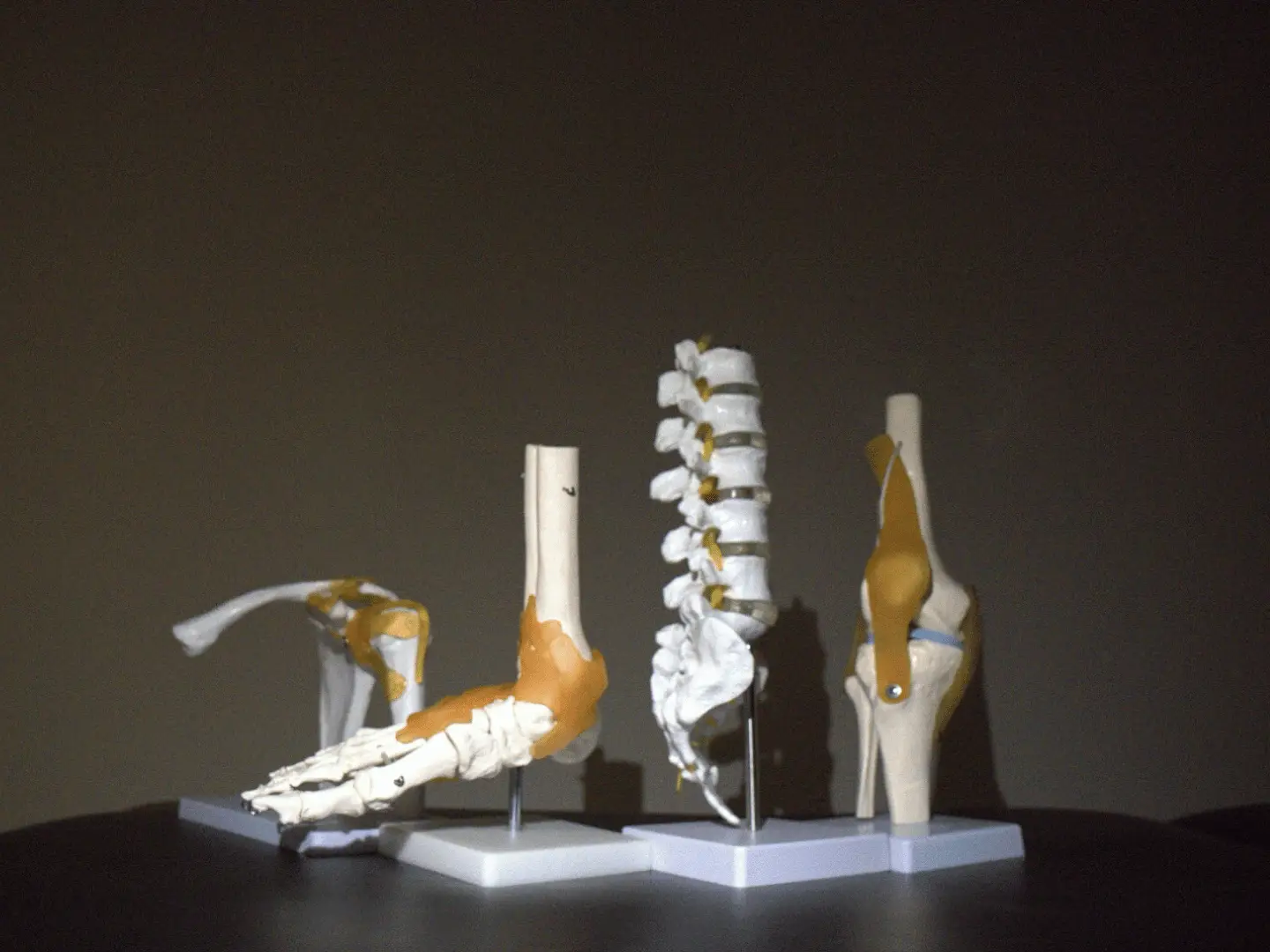
The anterior cruciate ligament is one of the main stabilising ligaments of the knee. It helps control forward movement and rotation of the shin bone relative to the thigh bone.
ACL injuries commonly occur during sudden changes of direction, awkward landings or pivoting movements. They can also result from contact injuries.
Symptoms may include swelling, pain, reduced movement and a feeling that the knee is unstable. A proper assessment is important because ACL injuries can occur alongside damage to the meniscus, cartilage or other knee structures.
Rehabilitation Is a Progressive Process
ACL rehabilitation is not simply a sequence of exercises completed according to a calendar.
Progress depends on several factors, including knee movement, swelling, muscle strength, functional control and the individual’s ability to tolerate increasing demands.
A physiotherapist may assess these factors throughout rehabilitation and adjust the programme accordingly. Some people progress more quickly in certain areas, while others require additional time or targeted work.
The goal is to achieve meaningful improvements in function while respecting tissue healing, any surgical precautions and individual recovery needs.
Building Strength and Movement Confidence
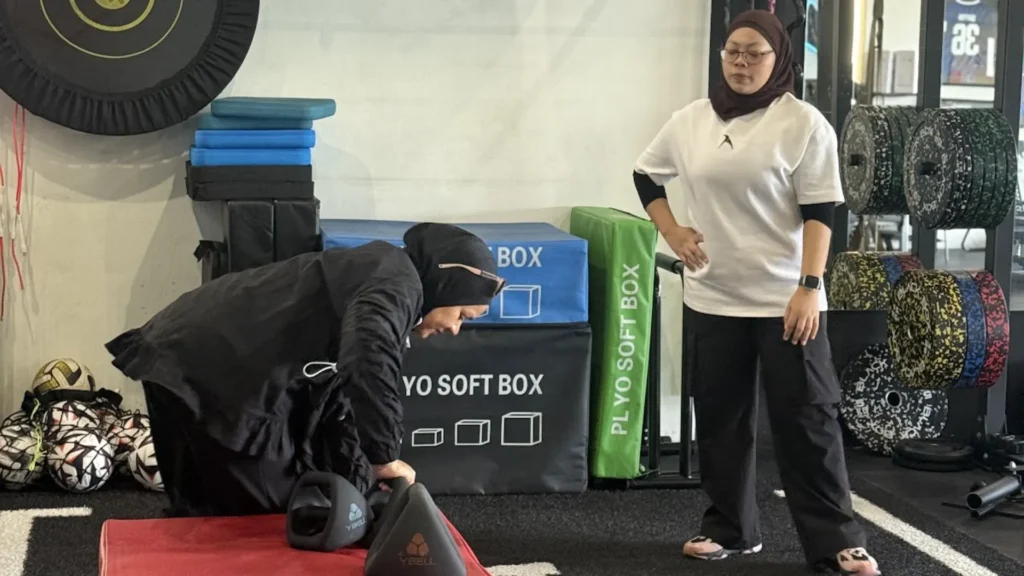
Strength training is a central component of ACL rehabilitation.
Particular attention is often given to the quadriceps, hamstrings and other muscles that contribute to lower-limb movement and control.
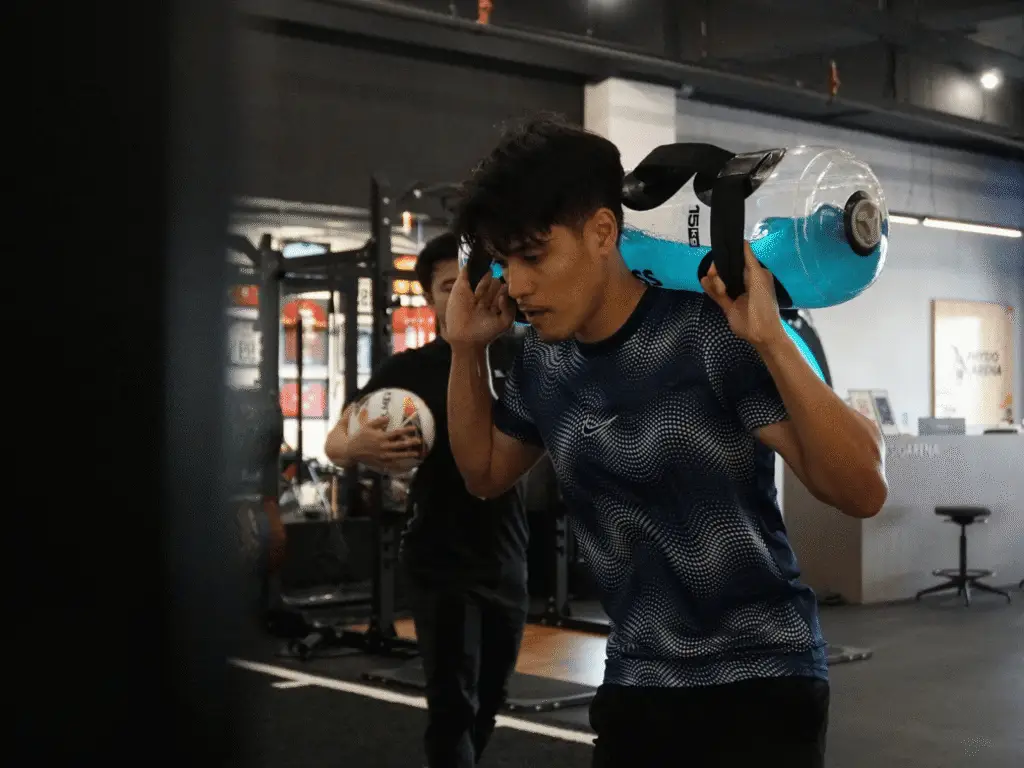
As rehabilitation progresses, exercises may develop from basic muscle activation and controlled movements into more demanding strength, balance, landing and agility activities.
Movement quality is also important. Patients may need to rebuild confidence when loading the affected leg, landing, decelerating or changing direction.
A structured programme combines physical preparation with gradual exposure to movements relevant to the person’s daily activities or sport.
Returning to Running and Sport
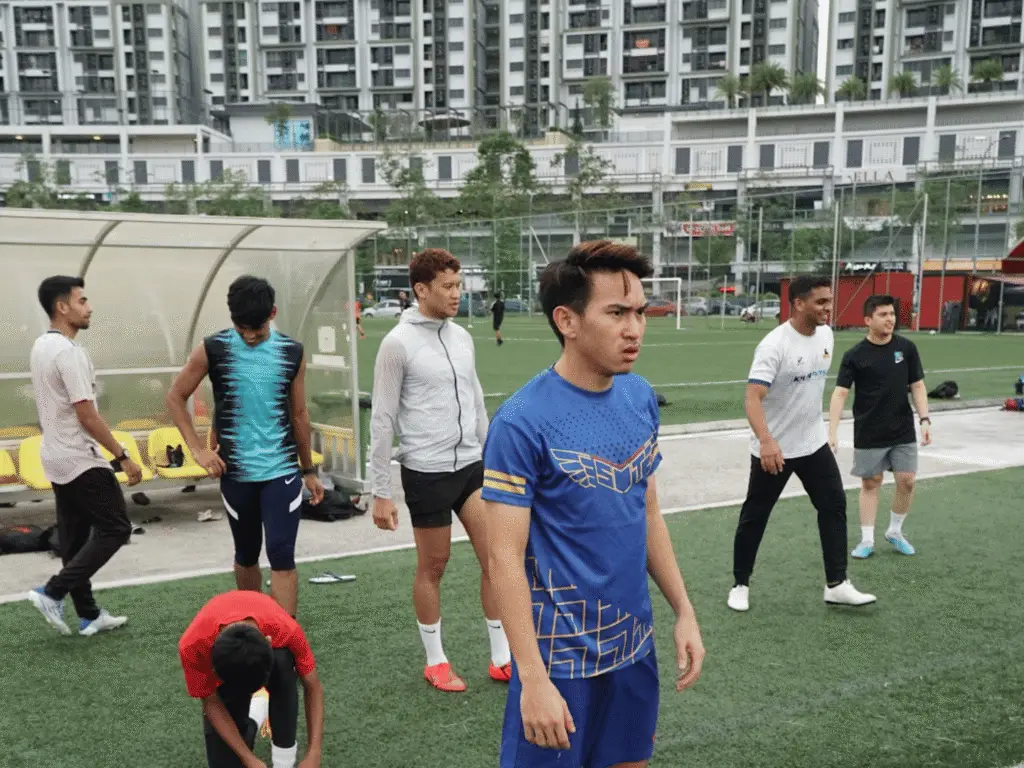
Returning to running or sport is an important milestone, but readiness should not be determined by time alone.
A physiotherapist may consider knee swelling, range of motion, strength, movement control, functional testing and confidence before recommending progression.
For people returning to sports involving jumping, cutting or rapid changes of direction, the physical demands are particularly high.
Rehabilitation should therefore progress toward activities that reflect the specific demands of the sport, rather than relying only on general exercises.
The final decision about returning to unrestricted activity should consider clinical assessment, objective performance and any relevant medical or surgical guidance.
Why Individualised Rehabilitation Matters
No two ACL rehabilitation journeys are exactly alike.
Age, activity level, associated injuries, treatment approach, personal goals and previous training experience can all influence rehabilitation planning.
Someone aiming to return to recreational jogging may have different requirements from an athlete preparing for competitive football.
A well-structured rehabilitation programme should reflect these differences while helping each individual build the capacity and confidence needed for their desired activities.
The Next Step in Recovery
Successful ACL rehabilitation requires consistency, progressive loading and appropriate assessment.
Recovery is not simply about making the knee feel better. It is about restoring the strength, movement capacity and confidence needed for the activities that matter to each individual.
At Physio Arena, physiotherapy and performance-focused rehabilitation can work together to support a purposeful approach to recovery and long-term movement.
If you are managing an ACL injury or planning your return to activity, a physiotherapy assessment can help clarify your current condition and appropriate next steps.
References
Kotsifaki R, Korakakis V, King E, et al. Aspetar clinical practice guideline on rehabilitation after anterior cruciate ligament reconstruction. British Journal of Sports Medicine. 2023;57(9):500–514.