For a flight attendant, walking comfortably, maintaining balance and moving confidently are essential parts of the job. When knee surgery affects these abilities, recovery involves more than relieving pain. It requires rebuilding the mobility, strength and physical confidence needed to manage everyday activities and eventually return to work.
This was the challenge faced by Sharifah Maisarah, a flight attendant in her 20s who began postoperative knee physiotherapy at Physio Arena in March 2026. Following a lateral meniscus injury confirmed through hospital MRI and subsequent surgery, she entered a structured rehabilitation programme under the care of Lina, Physiotherapist at Physio Arena. Over 10 sessions, her rehabilitation progressed from supported walking and restricted knee movement towards greater functional independence and a return to flight duty.
How the Injury Happened
Maisarah’s injury occurred during a leg press exercise. She reported experiencing muscle fatigue before attempting additional repetitions, after which she sustained the knee injury that would eventually require surgical intervention. Following hospital assessment, MRI confirmation of the lateral meniscus injury and subsequent surgery, she faced significant limitations in her everyday mobility.
During the early postoperative period, Maisarah required crutches and a knee guard to support walking, and she remained partially weight-bearing when she began physiotherapy. Activities that would ordinarily be routine, including walking, turning and carrying additional loads, became uncomfortable. For someone whose profession depends on being mobile throughout the working day, regaining these abilities was an important rehabilitation goal.
Initial Assessment: Pain and Restricted Knee Movement
During her initial physiotherapy assessment, Lina identified significant restrictions in Maisarah’s knee movement alongside pain during activity. These findings provided a clinical starting point for understanding her immediate limitations and determining appropriate rehabilitation priorities.
The initial assessment recorded:
- Pain: 7/10
- Active knee extension: 10° deficit
- Active knee flexion: 70°
- Mobility: Partial weight-bearing with crutches and a knee guard
The combination of pain, limited knee movement and reduced weight-bearing ability meant that rehabilitation needed to begin with manageable activities appropriate to her postoperative condition. Lina’s early priorities centred on managing symptoms, restoring knee mobility and gradually improving tolerance to loading. These objectives would provide the foundation for progressing towards walking more independently and rebuilding lower-limb function.
Sessions 1 to 3: Restoring Movement
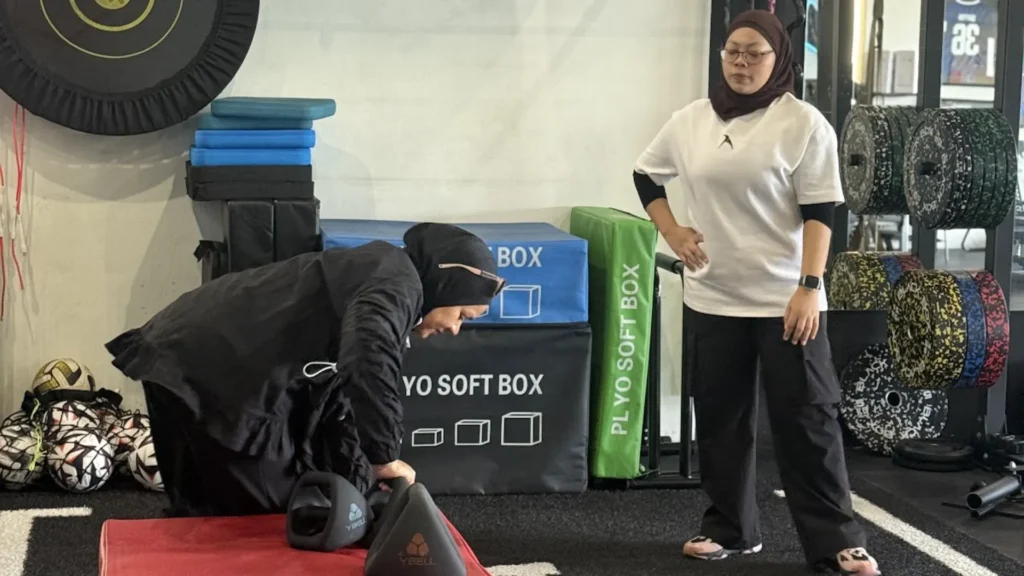
The first three sessions focused on gentle, low-load movements performed on the treatment bed. At this stage, Maisarah was still managing postoperative discomfort and restricted knee mobility, making it important to establish a foundation before introducing more demanding exercises. Rather than progressing immediately into intensive strengthening, the programme began with activities suited to her existing movement capacity and tolerance.
Treatment focused on improving knee mobility, managing symptoms and preparing the affected lower limb for gradually increasing physical demands. Restoring comfortable movement was an essential early step before progressing towards more challenging weight-bearing activities. As Maisarah’s tolerance improved, the rehabilitation programme could begin addressing the functional movements needed for walking, standing and everyday activities.
Session 4: Learning to Walk with Confidence
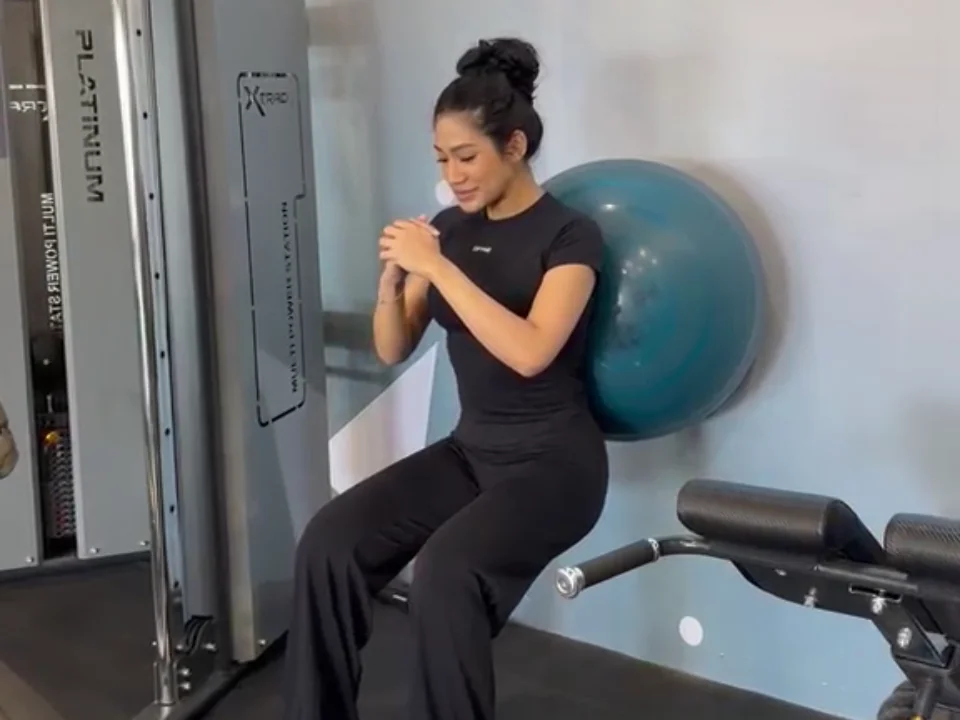
By the fourth session, Maisarah had achieved measurable improvements in both pain and knee mobility. Her pain had decreased from 7/10 to 4/10, active knee extension had improved from a 10° deficit to 0°, and active knee flexion had increased from 70° to 90°. She was also walking without crutches, although she continued using a knee guard. These changes marked an important transition from early mobility restoration towards more functional rehabilitation.
As her ability to tolerate loading improved, Lina introduced standing and weight-bearing activities, beginning with controlled side-to-side body-weight shifting. During walking assessment, she also identified limitations involving hip flexion, knee extension and ankle dorsiflexion. These observations helped guide the next stage of treatment, where improving walking mechanics became an important part of Maisarah’s rehabilitation.
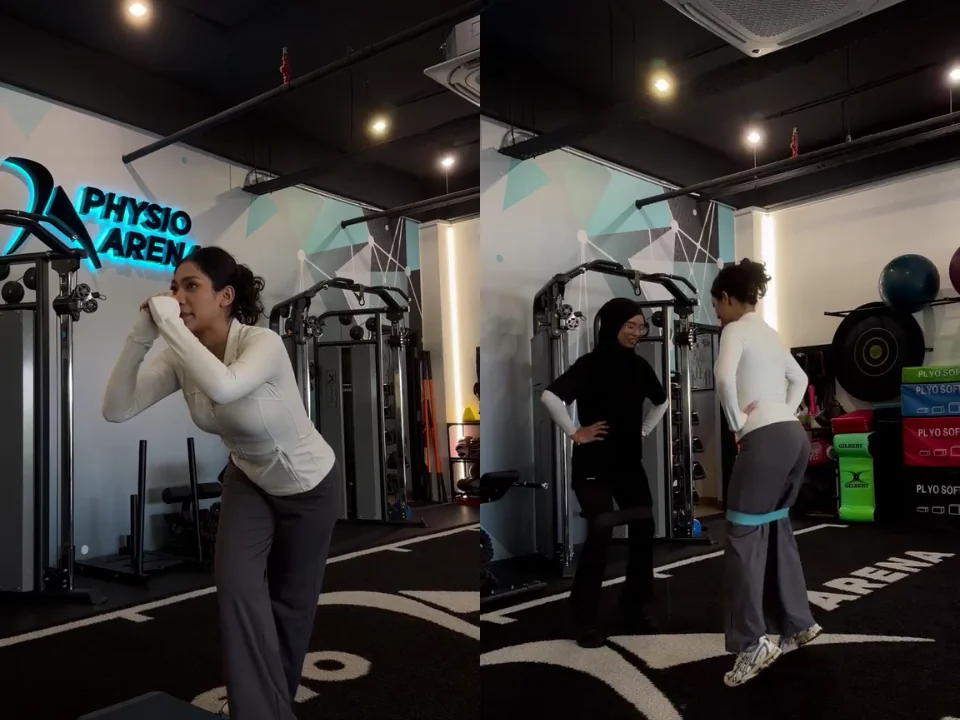
Lina progressed the programme to include gait re-education, single-leg balance exercises and controlled walking activities. Cycling was introduced primarily to encourage knee movement, while treadmill exercises incorporated incline walking and backward walking. Together, these activities provided opportunities to develop lower-limb control, practise more functional movement patterns and progressively adapt to the physical demands of walking.
Session 5 Onward: Rebuilding Lower-Limb Strength
As Maisarah’s knee movement and tolerance to weight-bearing activities improved, rehabilitation progressed towards more structured strengthening exercises. The programme increasingly focused on the quadriceps and hip musculature, supported by additional exercises targeting the hamstrings and calves. This progression reflected the changing demands of her rehabilitation, moving beyond restoring basic movement towards developing the physical capacity required for everyday activities.
Rebuilding lower-limb strength and movement control became central to the next phase of her recovery. Exercises were progressively adjusted according to Maisarah’s abilities and response to loading, allowing the programme to become more demanding as her functional capacity improved. Rather than relying on a fixed sequence of exercises, the rehabilitation process continued to respond to her progress and remaining limitations.
For Maisarah, this stage was particularly relevant to the practical demands of returning to work. Walking, standing, maintaining balance and managing changes in movement all require coordinated contributions from the lower limbs. Progressive strengthening therefore complemented the mobility and gait training established during the earlier sessions, helping develop a broader foundation for functional independence.
Session 8: Measurable Progress
By the eighth session, Maisarah’s recorded assessments demonstrated substantial improvements compared with her initial presentation. Her reported pain had reduced from 7/10 to 0/10, while active knee extension had improved to 0°, eliminating the extension deficit documented at the beginning of rehabilitation. Active knee flexion had also increased from 70° to 110°, reflecting meaningful progress in her available knee movement.
The recorded findings were:
| Assessment | Initial Session | Session 8 |
|---|---|---|
| Pain | 7/10 | 0/10 |
| Active knee extension | 10° deficit | 0° |
| Active knee flexion | 70° | 110° |
These measurements provided useful indicators of how Maisarah was responding to rehabilitation. The reduction in pain and restoration of active knee extension represented important clinical milestones, while the improvement in flexion demonstrated increased movement capacity. Together with her progression towards more demanding exercises, these findings helped illustrate how her functional abilities had developed throughout the programme.
However, improvement in pain and knee mobility does not necessarily mean that every movement limitation has fully resolved. Although Maisarah had regained full active knee extension and reported no pain at the eighth-session assessment, her active knee flexion remained at 110°. Recognising the difference between measurable improvement and complete restoration of function is important when interpreting rehabilitation outcomes.
Session 10: Returning to Work
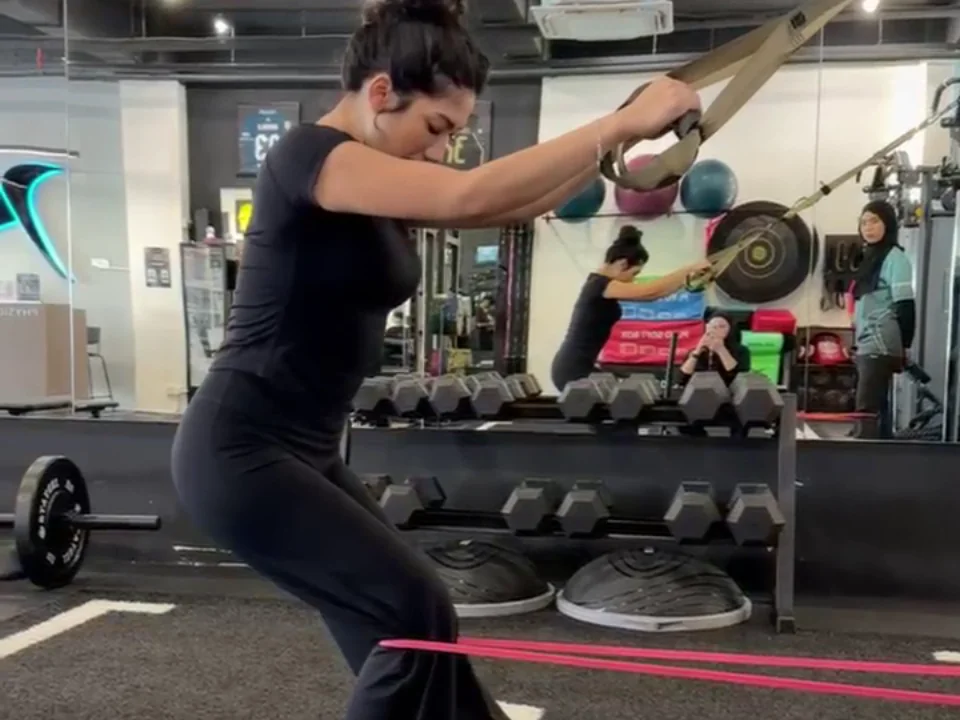
After completing her structured 10-session rehabilitation programme, Maisarah was able to return to her work as a flight attendant. This represented a meaningful functional milestone following a period in which walking, turning and carrying additional loads had been uncomfortable. Her progress reflected the transition from early postoperative limitations towards greater independence in the movements required for everyday life and work.
Throughout the programme, rehabilitation evolved alongside her changing abilities. Early sessions concentrated on pain management and restoring knee mobility, while subsequent stages introduced weight-bearing exercises, gait re-education, balance training and progressive lower-limb strengthening. Each phase built upon the movement capacity developed during the previous sessions, allowing treatment to progress in response to Maisarah’s functional needs.
Her return to work was an important outcome of this individual rehabilitation journey. It should not, however, be interpreted as a universal recovery timeline following meniscus surgery, as rehabilitation requirements and the time needed to resume work can vary considerably between individuals.
A Rehabilitation Journey Built Around Progress
Maisarah’s experience illustrates how postoperative knee rehabilitation involves more than completing a predetermined number of exercises or waiting for pain to subside. Restoring movement, rebuilding strength and improving functional independence require ongoing assessment and appropriate progression based on how an individual responds to treatment.
Under Lina’s physiotherapy care, the programme developed from gentle movement exercises into more demanding activities addressing walking mechanics, balance and lower-limb strength. The clinical measurements recorded throughout rehabilitation provided useful reference points, while Maisarah’s changing functional abilities helped guide the progression towards her goal of returning to work.
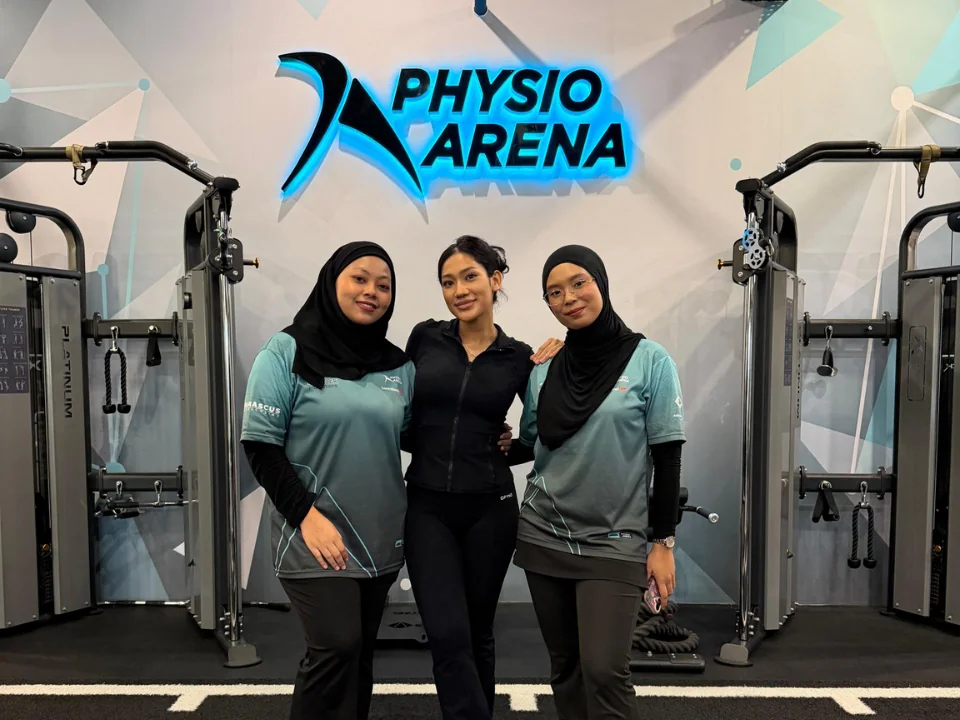
At Physio Arena in Bukit Jelutong, Shah Alam, physiotherapy and rehabilitation services are designed around individual needs, functional goals and progressive care. For Maisarah, this meant addressing the limitations she experienced following knee surgery while gradually rebuilding the physical capacity needed for everyday movement and professional responsibilities.
Her story demonstrates how structured rehabilitation can support meaningful progress beyond the treatment room. From requiring crutches and experiencing significant restrictions in knee movement to returning to flight duty after 10 sessions, Maisarah’s journey reflects the importance of individualised assessment, progressive exercise and rehabilitation guided by functional goals.
Experiencing knee pain, recovering from knee surgery or finding it difficult to return to your usual activities? Physio Arena provides physiotherapy and rehabilitation services in Bukit Jelutong, Shah Alam, with programmes tailored to individual conditions and recovery goals. Contact our team to discuss your concerns and arrange an assessment.
This Case File documents one individual’s postoperative rehabilitation experience. Recovery timelines, treatment requirements and outcomes vary according to the injury, surgical procedure and individual circumstances. The progress described should not be interpreted as a guaranteed result for other patients.
WORTH SHARING?
Pass this story along.